What most often upsets plans in Lviv buildings
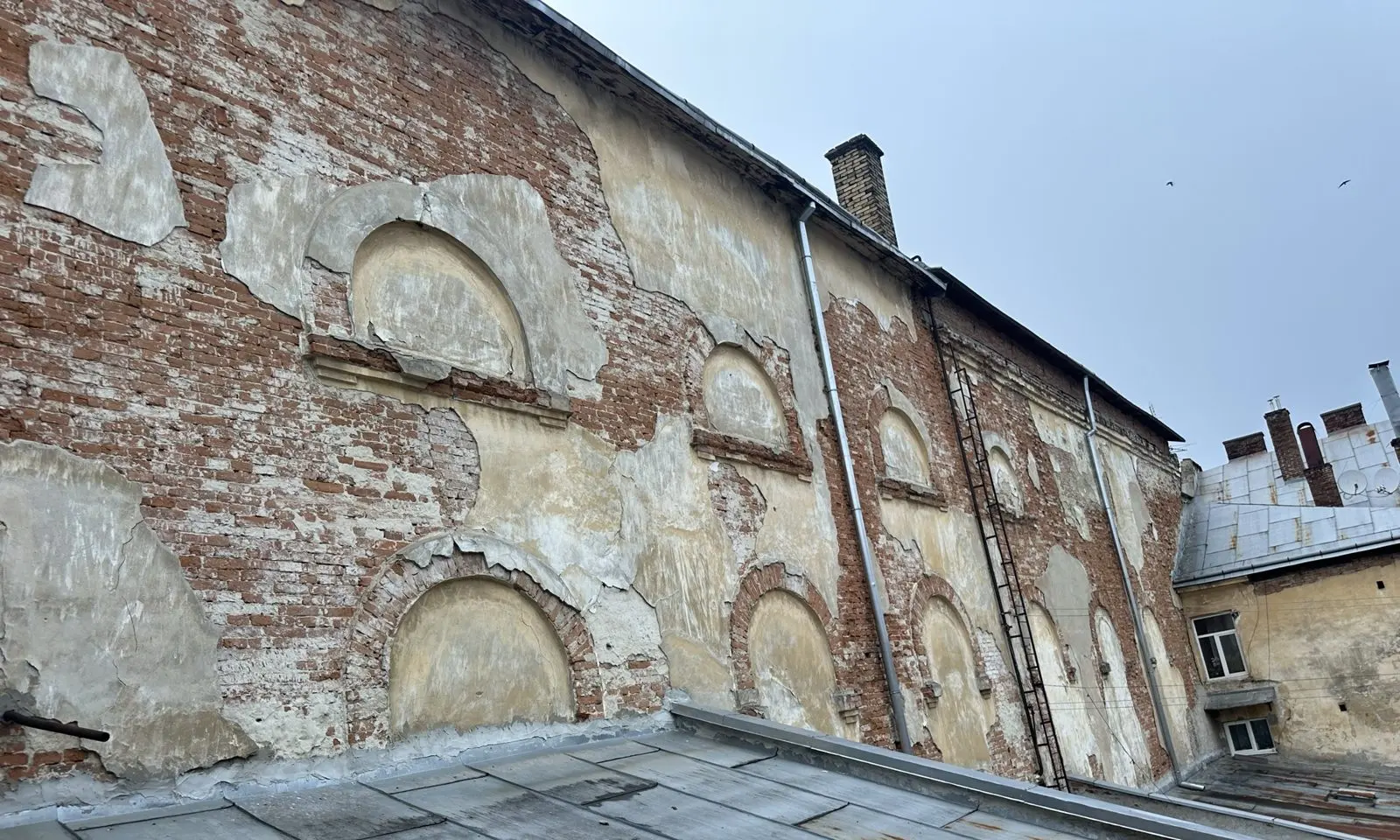
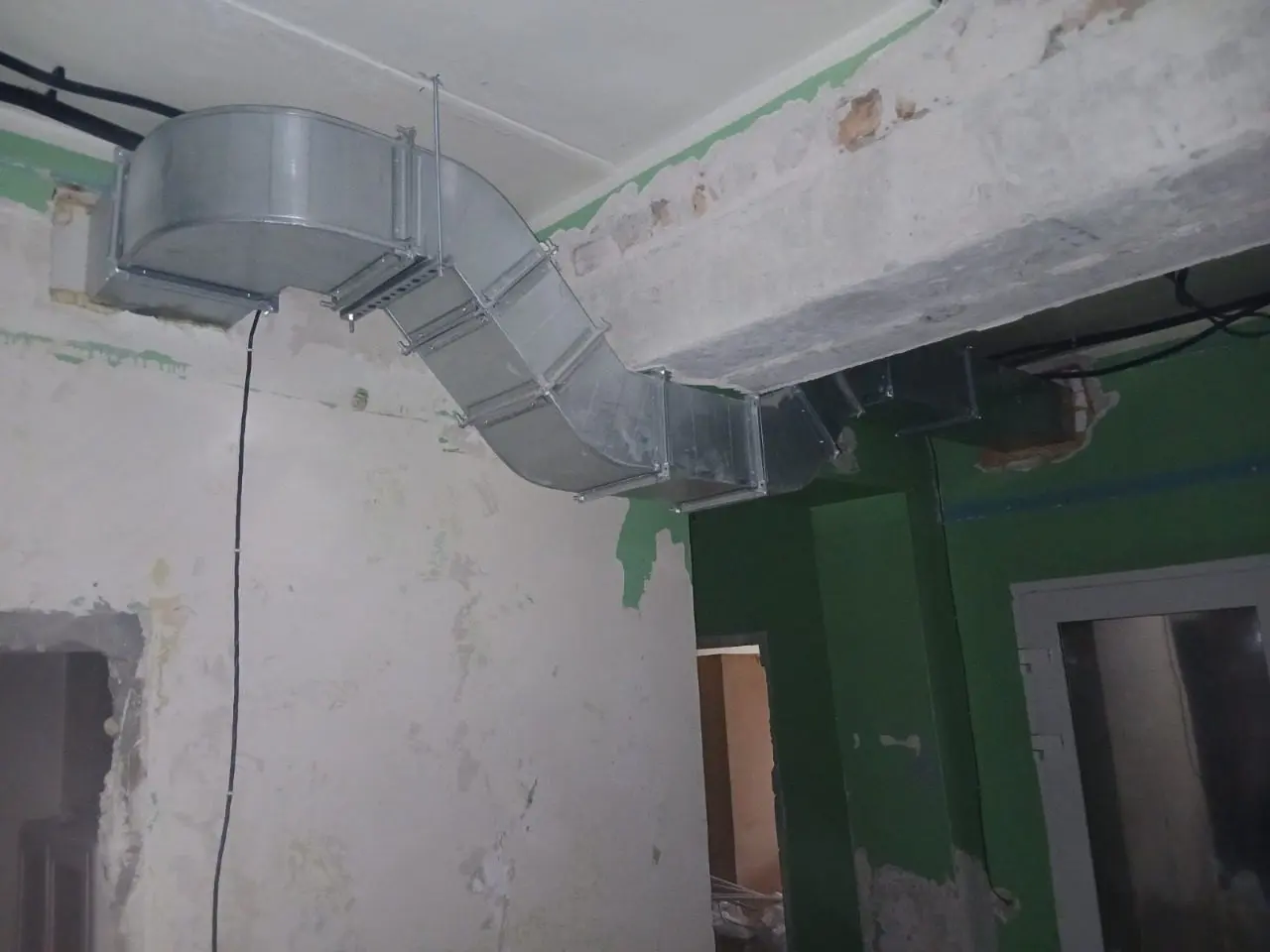
Lviv is a city with old housing stock, and that is not an abstraction but a real cost. The most common surprise during a site survey is a shaft that matches no standard size, because the building was put up to a one-off design or rebuilt in the nineties. Then the lift has to be chosen to fit the shaft, not the other way round, and that immediately means a different delivery time.
The second issue is the pit. In many buildings the pit below the lowest floor is either not deep enough or has been flooded for years by groundwater and leaking utility lines. Waterproofing the pit is separate work that clients usually have not budgeted for, and it is better to find out about it during the site survey than at the installation stage.
The third is the city centre. In a protected historic area, the decision on a lift has to be agreed not only with the urban planners but also with the cultural heritage protection authority. We have been through this at the Academy of Arts on Kubiiovycha St. and on a number of residential projects. Approvals here regularly take longer than the installation itself.
And the fourth, the simplest on the face of it: the building is occupied. One entrance, elderly people on the upper floors, someone with a bedridden relative. This is not a technical problem but an organizational one, yet it is exactly what derails schedules. We plan the work so that the staircase is never out of use and residents know the dates in advance, and we give realistic timelines before the contract is signed, not after.