PILAWA Lifts
A privately owned Polish company founded in 1980. It designs and manufactures lifts, escalators, moving walks and platform lifts for people with reduced mobility.
A privately owned Polish company founded in 1980. It designs and manufactures lifts, escalators, moving walks and platform lifts for people with reduced mobility.
Pilawa is a private Polish company founded in 1980 and headquartered in Kołobrzeg on the Baltic coast. The company bears its owner's surname rather than a corporate group brand. For many years it has been a member of the Polish Association of Lift Manufacturers and the National Chamber of Construction, its quality system is certified to ISO 9001, and its equipment goes through the approval procedures of the Polish Office of Technical Inspection.
Pilawa's niche is not the standard apartment-block lift but equipment built for a specific project. Goods lifts, including car lifts. Machine-room-less hospital lifts. Platform lifts for people with reduced mobility. Escalators and moving walks. Modernization kits and lifting equipment made to individual contracts. The in-house design office gets involved at the design stage, so the shaft is planned around the equipment rather than the equipment being squeezed into a finished shaft.
For work out of Western Ukraine there are two practical advantages. Delivery distance: the equipment comes by road across a land border, with no sea freight or port transshipment. And documentation: our engineers read Polish as-built drawings and diagrams without an intermediary, and the components are familiar and available on the European market. While everything works, this is a minor point; when a component needs urgent replacement, the difference becomes noticeable.
The limitation is just as obvious. Made-to-order production means a longer cycle and a higher unit price than series production. For a typical apartment block with a 400-630 kg lift, this is overpaying for nothing: standard equipment is cheaper and quicker there. Pilawa earns its keep where a standard solution does not fit - non-standard shaft geometry, accessibility platform lifts, car lifts, reconstruction of an old building.
For residential buildings, offices, hotels and public buildings.
For warehouses, factories, shopping centres and kitchens.
For hospitals and medical centres: sized for stretchers and intensive care beds.
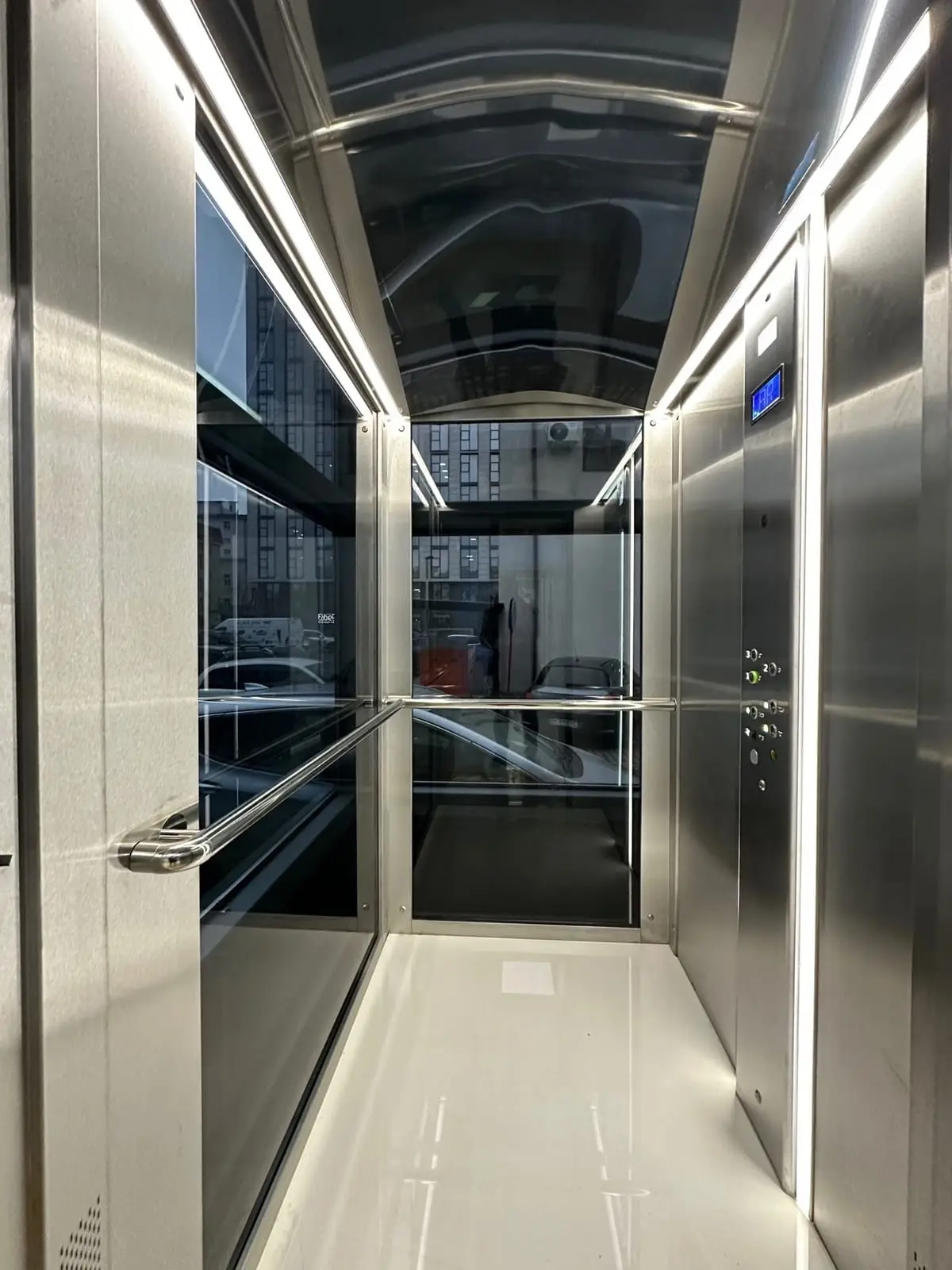
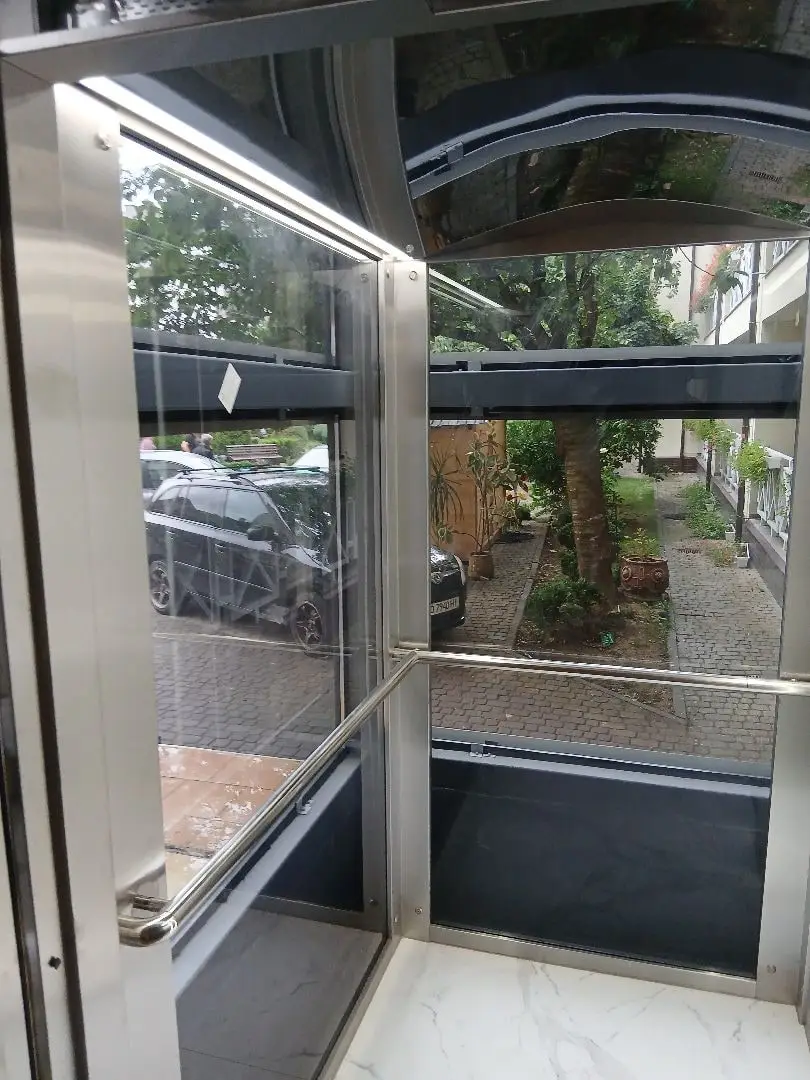
A glass car as an architectural feature of the building.
Above all, maintainability and spare-part lead times. The components are European and available on the market, so a worn part does not turn into months of waiting for a container. Second, documentation: factory drawings and diagrams arrive in a form you can actually work with during approvals and later in operation. The price is higher, and we do not hide that, but on a site with real daily use the difference pays for itself.
The lead time depends on whether it is a standard item or made to contract. A catalogue platform lift and a lift for a non-standard shaft are different cycles, and the difference between them is significant. We give a specific lead time once the specification and the builder's work drawing are approved and the factory has confirmed the dimensions. Until then, any figure would be made up.
Technically yes, economically usually not. For a typical apartment block with moderate passenger traffic, a standard Bulgarian- or Turkish-made lift will cost less and arrive sooner. Pilawa makes sense when the same building needs an accessibility platform lift at the entrance, a car park lift, or a lift for a shaft that does not match any standard drawing.
Often, yes - platform lift solutions were designed precisely for this. But the answer comes from a site survey: we check the level difference, whether a shallow pit or an access ramp can be built, the space for the enclosure and the power supply. Sometimes the podium or entrance steps have to be altered, and it is better to learn about such work before signing the contract rather than during installation.
The equipment is manufactured to European lift safety standards and holds approval documents from the Polish technical inspection authority. For putting into operation in Ukraine, a separate package is prepared: design documentation, the technical passport, installation and commissioning certificates, and preparation for the technical inspection. We handle this part ourselves - the client does not have to run between offices with someone else's drawings.
What determines the choice of lift: building type, number of floors, rated load, drive type and whether there is a machine room. Practical guidelines and common mistakes.
7 min readWhy the price is not quoted over the phone, which items actually make up the cost of a lift replacement, what drives the cost up and which benchmark you can check in the open register.
9 min readChoose what you need: an engineer will contact you within one working day, select a model and calculate the cost.
Or just give us a call: +38 (050) 585-39-28 ·+38 (063) 283-31-48 ·+38 (096) 901-76-50