Knowledge base

How to choose a lift: a step-by-step guide for clients

What determines the choice of lift: building type, number of floors, rated load, drive type and whether there is a machine room. Practical guidelines and common mistakes.

  • 7min read

Updated

Choosing a lift comes down to five decisions: lift type, rated load, speed, drive type and whether there is a machine room. Everything else - finishes, doors, control systems - is worked out once these five parameters have been settled.

1. The building determines the lift type

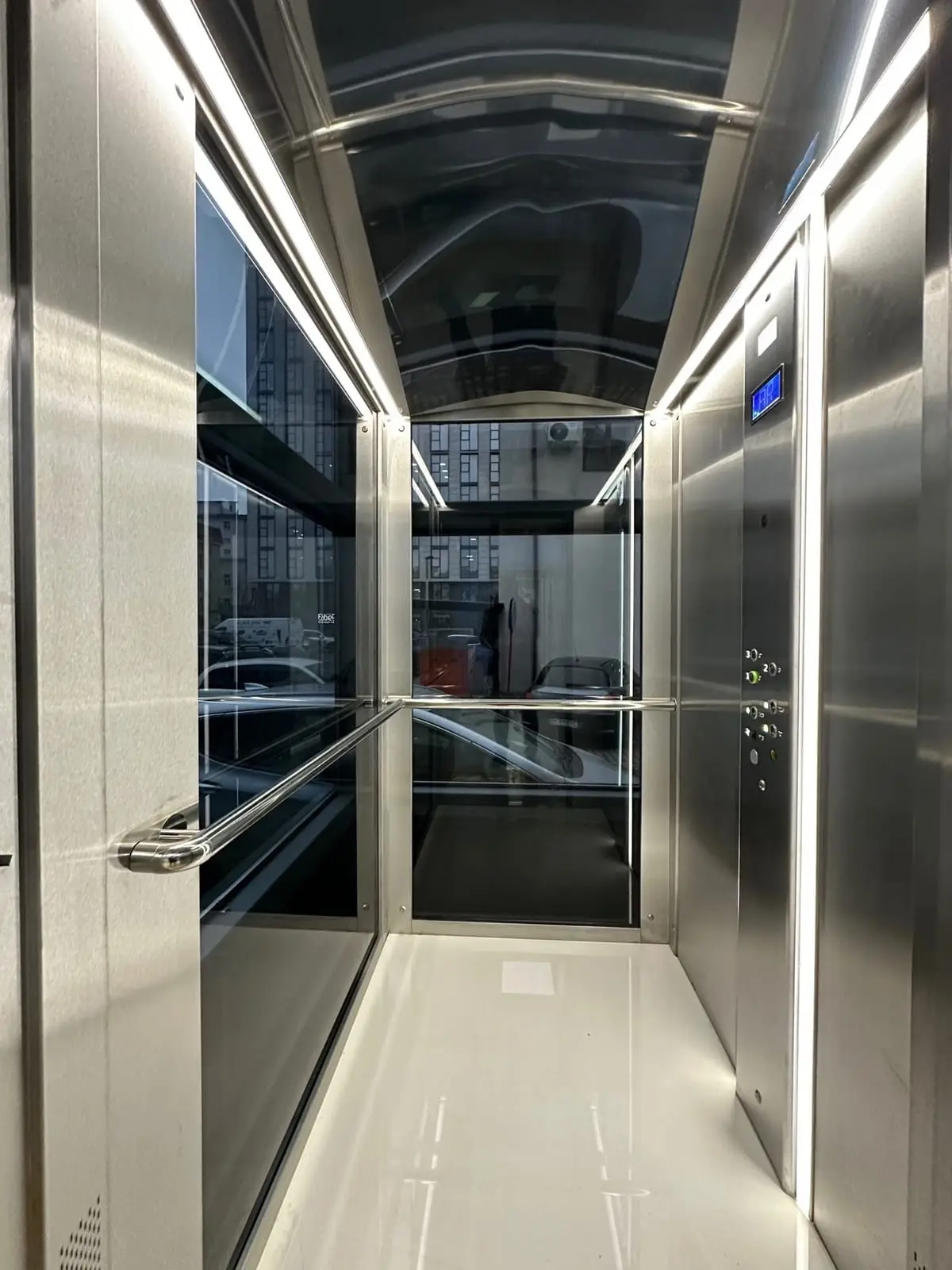
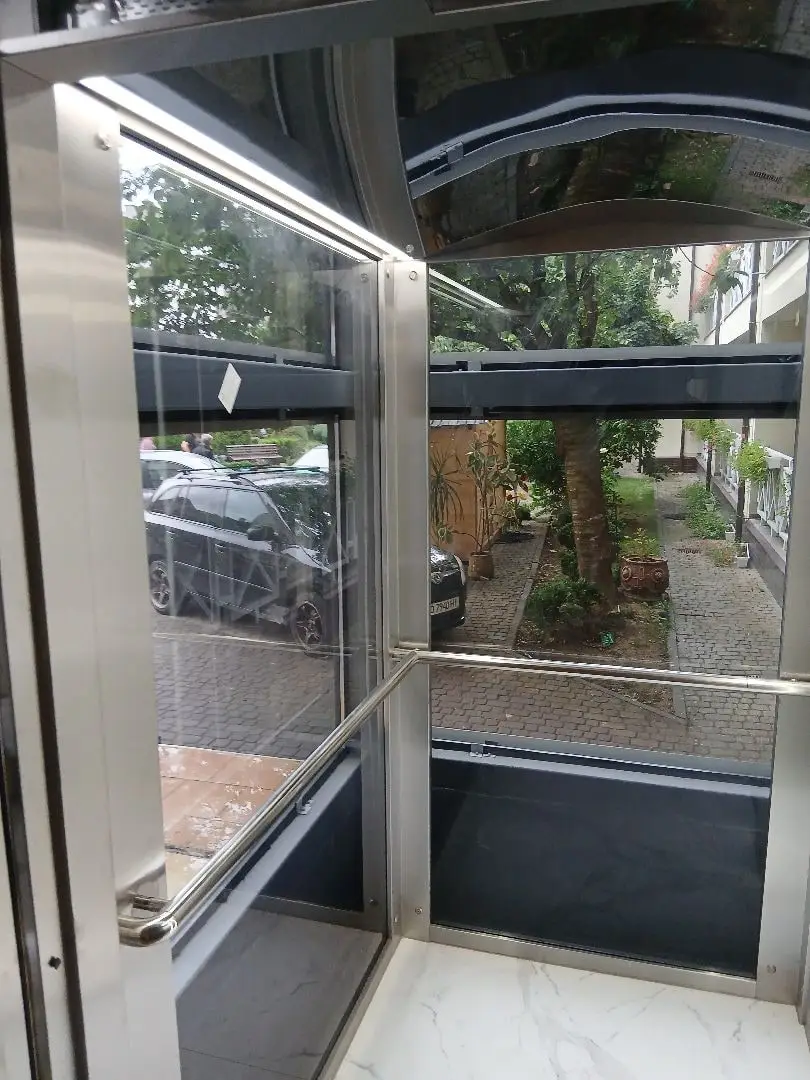
First, the purpose is defined. For a residential building that means a passenger lift; for a hospital, a hospital (bed) lift with an elongated car; for a warehouse or factory, a goods lift; for a restaurant, a dumbwaiter. A panoramic lift (glass elevator) is chosen when it needs to be part of the interior, not just a means of transport.

2. Rated load is based on the number of residents

For residential buildings, the rule of thumb is: 400 kg means 5-6 passengers, 630 kg means 8 passengers and a pushchair, and 1000 kg means 13 passengers or a stretcher. If there is only one lift in the entrance, a 400 kg lift is not a good idea: a pushchair will not fit in it, and residents will soon notice.

Rated loadTypical use
400 kgLow-rise building, second lift in the entrance
630 kgMain lift in a residential building, office
1000 kgGoods-passenger lift, takes a stretcher
1600 kg and aboveHospitals, hotels, public buildings

3. Speed depends on the number of floors

Up to 9 floors, 1.0 m/s is sufficient. For 10-16 floors, 1.6 m/s is used, and above that 2.0 m/s or more. Excessive speed in a low-rise building brings no benefit: the lift simply cannot reach full speed between stops, while the equipment costs more.

4. Drive: geared or gearless

  • Gearless permanent-magnet drive - quieter, uses up to 40% less electricity and needs no gearbox oil changes. Higher upfront cost.
  • Geared drive - simpler and cheaper, but noisier and needs more maintenance.
  • Hydraulic drive - for short travel and heavy loads; the machine room can be located to the side rather than above the shaft.

5. Machine room: needed or not

A machine-room-less (MRL) lift houses the traction machine and control cabinet inside the shaft. This removes the need for a rooftop structure above the building - important where there are height restrictions or a complex roof. For new construction, MRL is now the standard choice.

Common client mistakes

  • Choosing a lift on price without working out the maintenance costs for the next 10 years.
  • Opting for the minimum rated load and then being unable to get furniture or a pushchair in.
  • Ordering equipment before the actual shaft dimensions have been measured - and then it does not fit.
  • Not budgeting for remote monitoring, which the operating regulations require.

What to send for a quote

To get a preliminary price, four figures are enough: the number of floors (stops), the plan dimensions of the shaft, the pit depth and the height of the top floor above the last stop (headroom). If you don't have this information, the number of floors and the type of building will do - the engineer will clarify the rest on site.

Quick answers

Related questions

Which lift should you choose for a 9-storey residential building?

For a 9-storey residential building, the typical solution is a 630 kg passenger lift with a speed of 1.0 m/s and no machine room. For multi-storey buildings, the regulations require one of the lifts to have a car suitable for carrying a person on a stretcher - the specific parameters are set by the applicable DBN (Ukrainian building code).

How much electricity does a modern lift use?

A lift with a gearless permanent-magnet drive uses roughly 30-40% less electricity than a geared lift with the same rated load. Additional savings come from LED car lighting and a standby mode in which the equipment goes to sleep.

Read next

Metron lifts from Greece: the series available and who they suit

Metron from Serres: machine-room-less lifts, series with a pit from 550 mm for older buildings, hydraulic lifts, home lifts and steel shafts. What to know before ordering.

Canny escalators: who the manufacturer is and where they are already in service

Canny Elevator escalators and moving walks for shopping centres, railway stations and metros. How many are produced, which projects the manufacturer showcases and how we choose a model for a building.

MP Mobi home lift: a hydraulic platform lift with car doors

MP Mobi is a vertical platform lift from Spanish manufacturer MP that works like a regular lift (elevator): car doors, one-touch call, pit from 200 mm, up to 1000 kg, battery-powered rescue. Who it suits and where its limits lie.

MP lifts from Spain: who the manufacturer is and why we recommend it

MP lifts from Seville: in-house electronics and traction machines, an open (non-proprietary) controller, EU certificates, two factories. What we check in a manufacturer before offering it to clients, and what ordering an MP lift with installation and service from Portal looks like.

An external lift for a listed heritage building: the Chernivtsi example

The Chernivtsi Regional State Administration building is a monument of national significance. How we added a glass shaft on its own foundation to the courtyard façade, turned windows into doorways and installed an Izamet panoramic lift without a single new opening through the historic wall.

A lift for a private house: the options and what the building decides

A chair stair lift, a home lift with no pit, a PVE pneumatic lift, a Cibes screw-driven platform lift or a hydraulic lift: which of them will actually fit in your house.

The lift has stopped: what passengers, neighbours and the homeowners' association chair should do

What to do when a lift stops: how to act inside the car, why you must not open the doors, who is authorised to carry out a rescue, and what the homeowners' association (OSBB) can do to stop it happening again.

Lift options: what to order up front and what can be added later

A walk through a lift quotation: which options must be planned before installation, which can be added later without rework, and which are worth skipping.

Lift modernization or full replacement: which to choose

When replacing individual lift components is enough, and when a new lift is cheaper. Decision criteria, timelines and what happens to the shaft.

Lift shaft: dimensions, pit and headroom

Lift shaft plan dimensions, a 1200-1400 mm pit and 3600-4000 mm headroom for a 1.0 m/s lift, and when 50-150 mm is enough. What to measure before pricing.

Glossary of lift terms

What pit, headroom, safety gear, counterweight, group control and other terms found in lift equipment designs and contracts mean.

Lift car design and finishes

What lift cars are made of, which finish options are available and how to choose materials for the building type and intensity of use.

How much lift replacement costs and what makes up the price

Why the price is not quoted over the phone, which items actually make up the cost of a lift replacement, what drives the cost up and which benchmark you can check in the open register.

We'll price your equipment free of charge

Choose what you need: an engineer will contact you within one working day, select a model and calculate the cost.

Or leave your number and we'll call you back

We'll call you within one working day. The site survey and pricing are free of charge.

Or just give us a call: +38 (050) 585-39-28 ·+38 (063) 283-31-48 ·+38 (096) 901-76-50